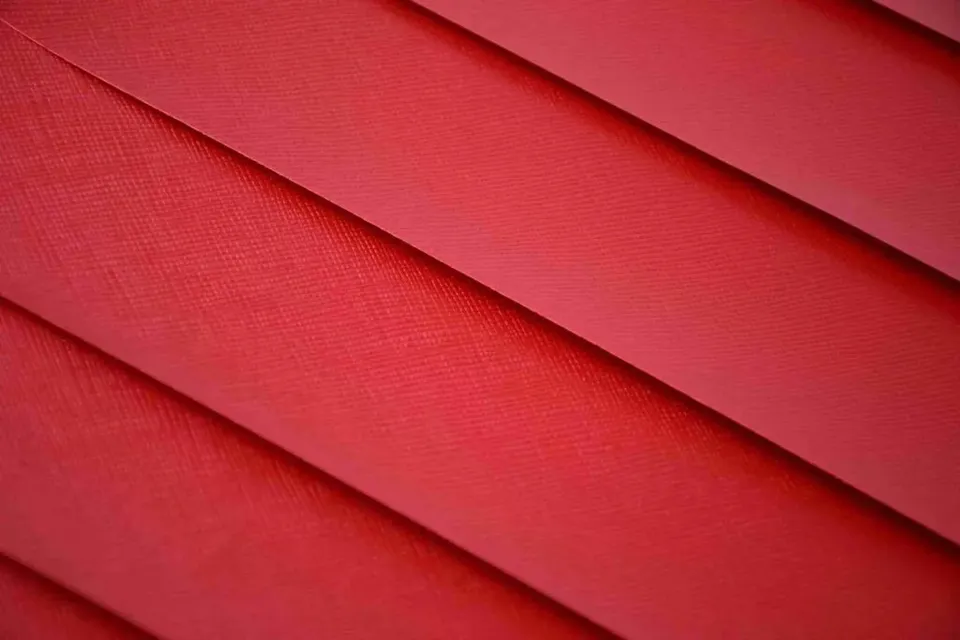
Leatherette paper and traditional paper each have strengths in packaging and decoration. Understanding their differences in touch, durability, design options, and processing helps teams choose the right surface material for a product.
Texture and appearance
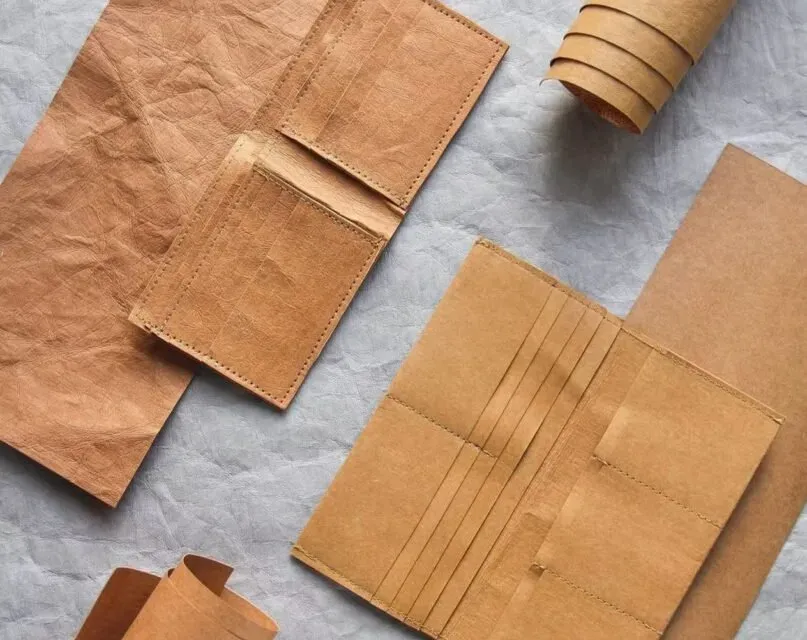
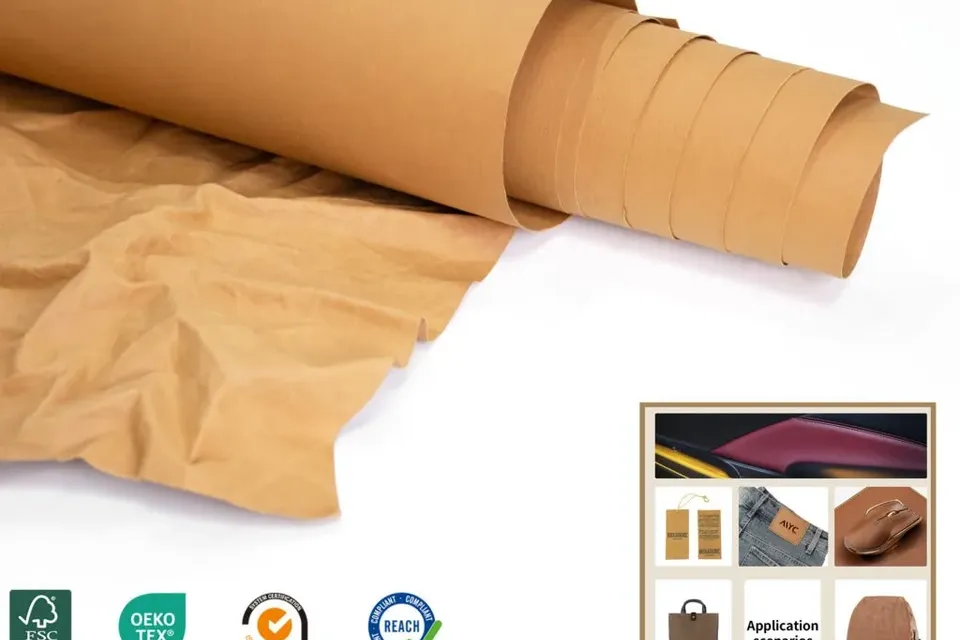
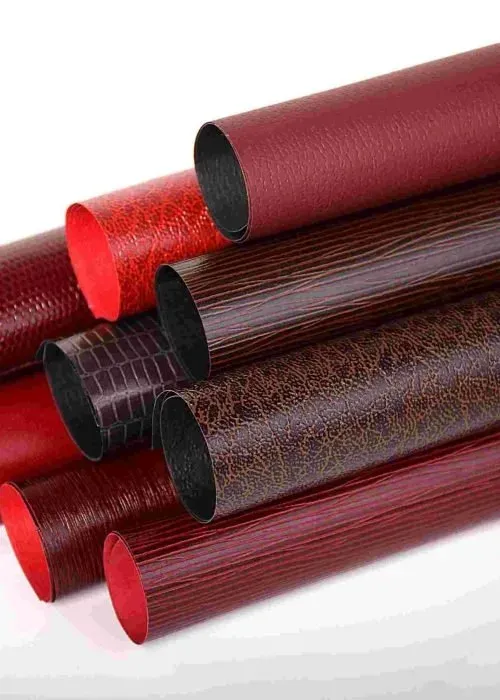
Leatherette paper receives dedicated surface treatments that can reproduce leather, textile, and other dimensional textures, creating a more pronounced tactile and visual effect. Traditional paper more often uses smooth, coated, or natural-fiber surfaces for a simpler, more direct expression.
Durability and service environment
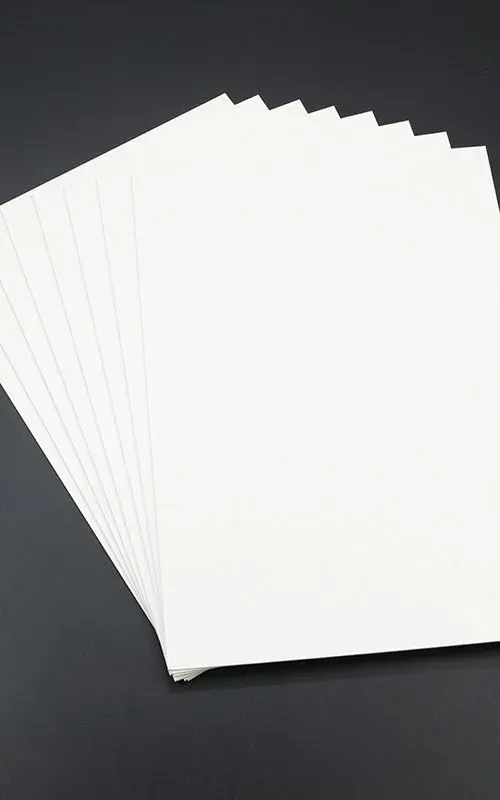
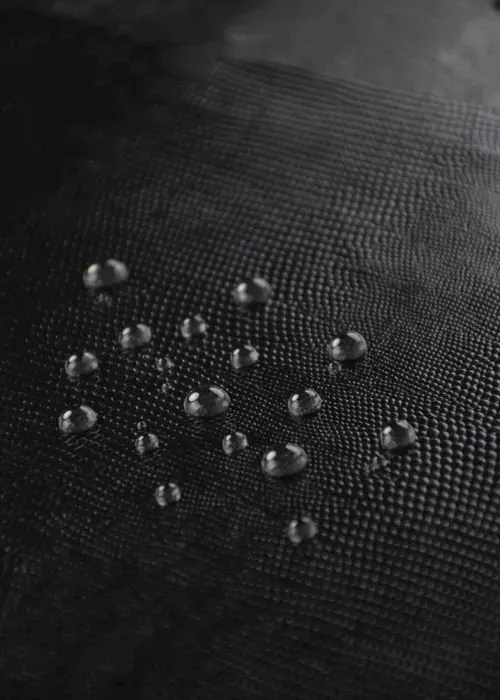
Selected leatherette paper ranges offer improved abrasion resistance, fold endurance, and surface stability, sometimes with additional water and dust resistance. Traditional paper also spans a broad performance range, but ordinary grades are more likely to be damaged by moisture, abrasion, or prolonged handling.
Colors, textures, and design freedom
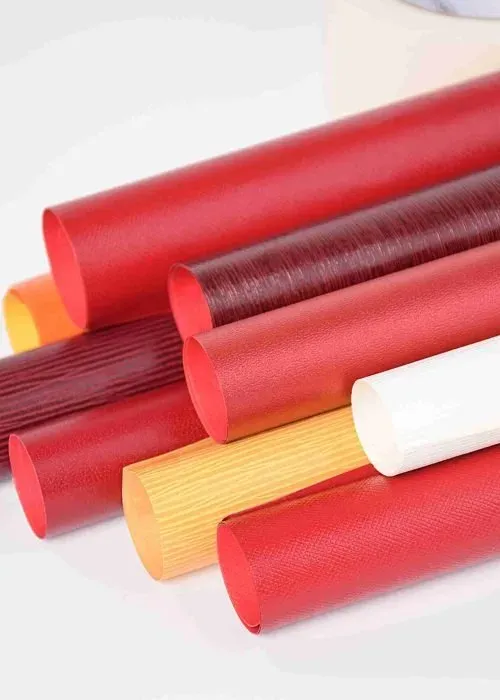
Leatherette paper offers extensive choices in color, texture, sheen, and pattern for packaging and decoration that emphasize brand quality. Traditional paper provides mature print performance, standardized specifications, and broad cost options for general printing and conventional packaging.
Converting and finishing
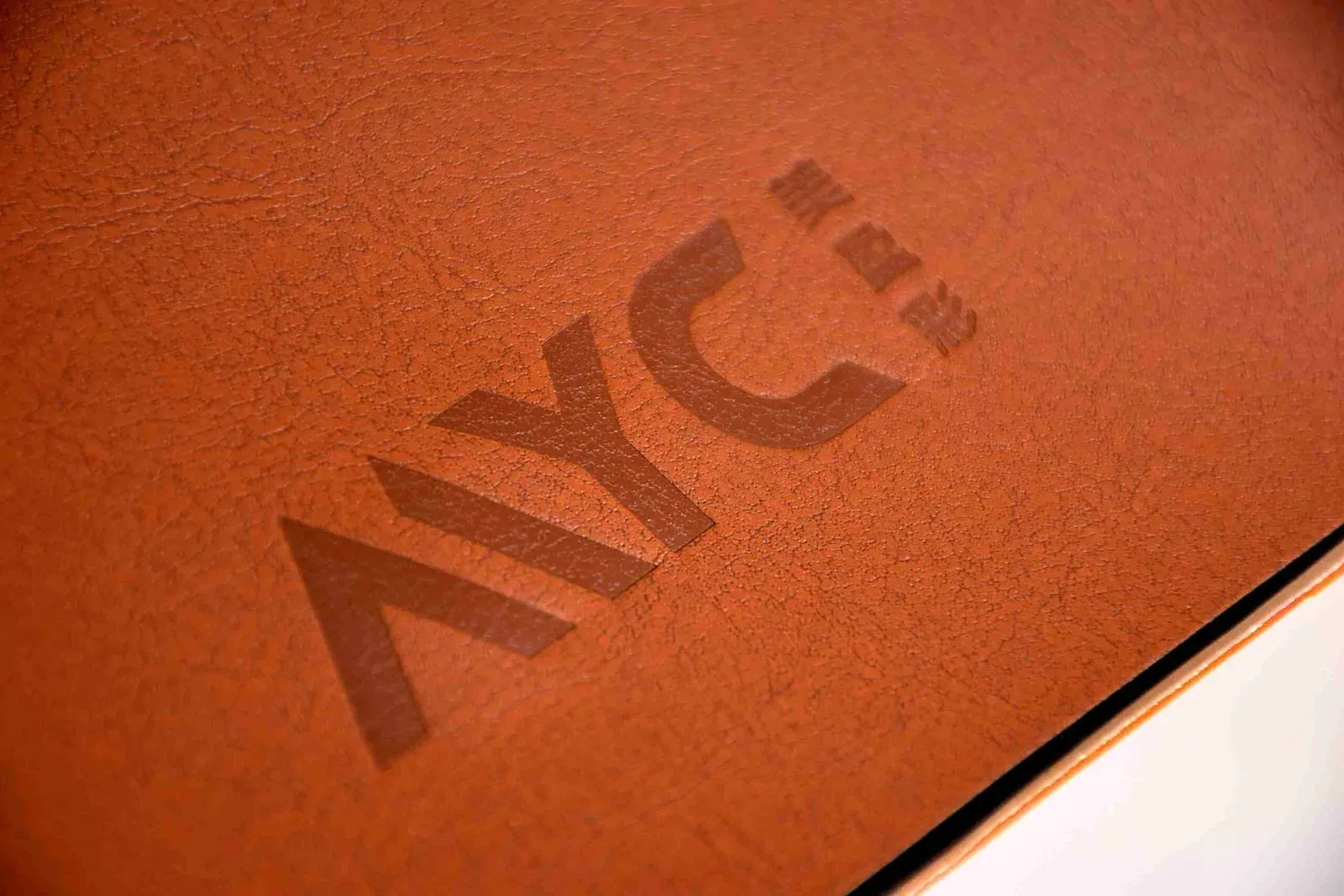
Leatherette paper can support embossing, debossing, foil stamping, printing, and covering processes for gift boxes, books, and decorative objects. Traditional paper is generally more universal across standardized offset printing, digital printing, die-cutting, and folding workflows.
How to choose
If the project prioritizes tactile quality, durability, and premium brand expression, leatherette paper deserves consideration. If general printability, low weight, and cost efficiency matter more, traditional paper may be the better fit. The final choice should reflect product structure, converting method, service environment, and sustainability requirements.