

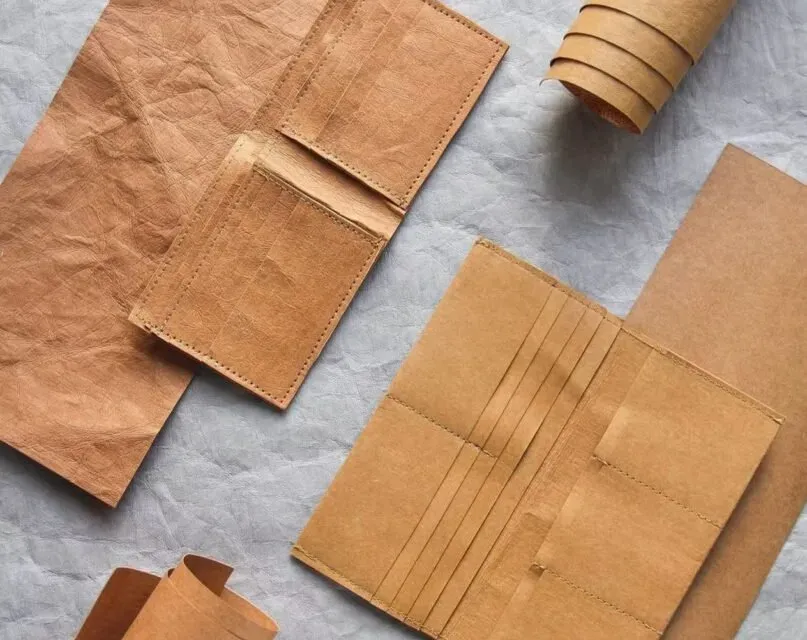
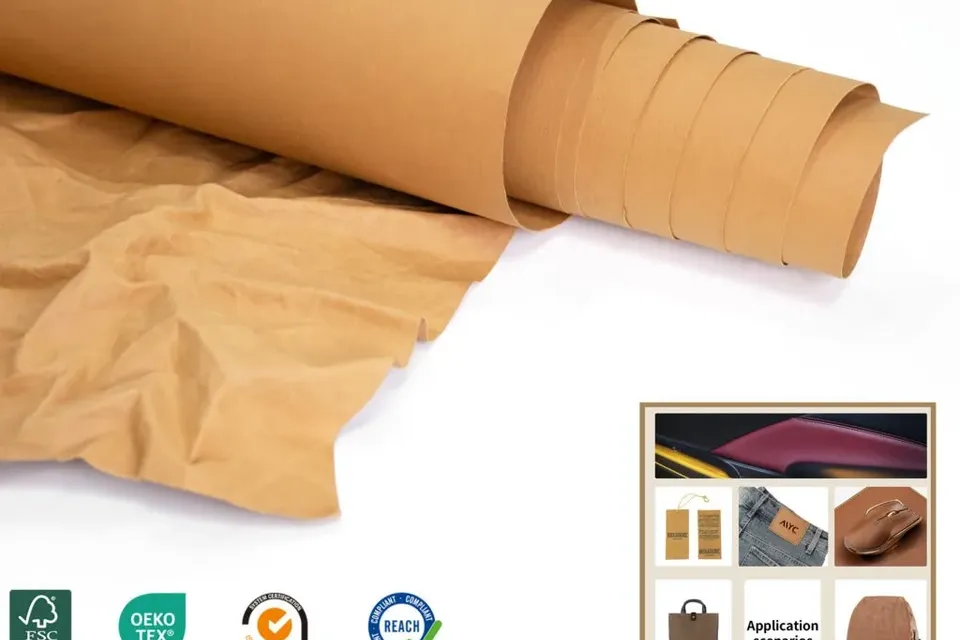
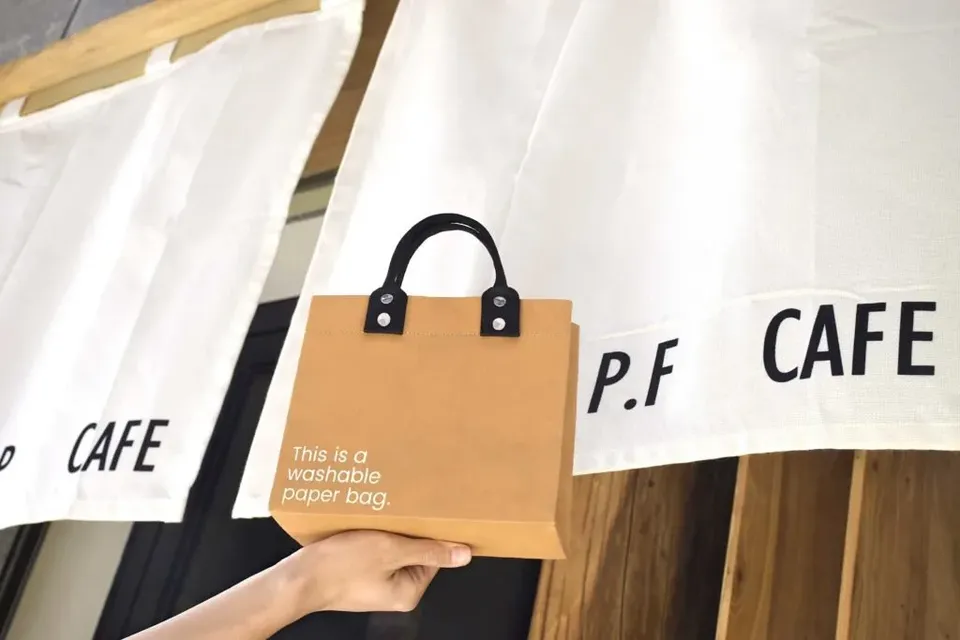
Washable paper combines the natural character of paper with fabric-like flexibility. It can be cut, sewn, and fitted with hardware to create a durable handbag.
1. Prepare materials and tools
Gather washable paper, a pattern, ruler, cutting tools, needle and thread or a sewing machine, plus handles, rivets, and other fittings. Confirm the material’s grammage, thickness, and color against the intended product structure.
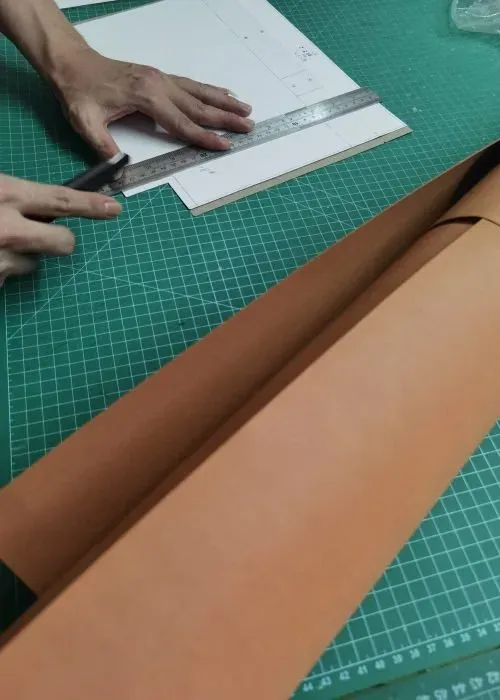
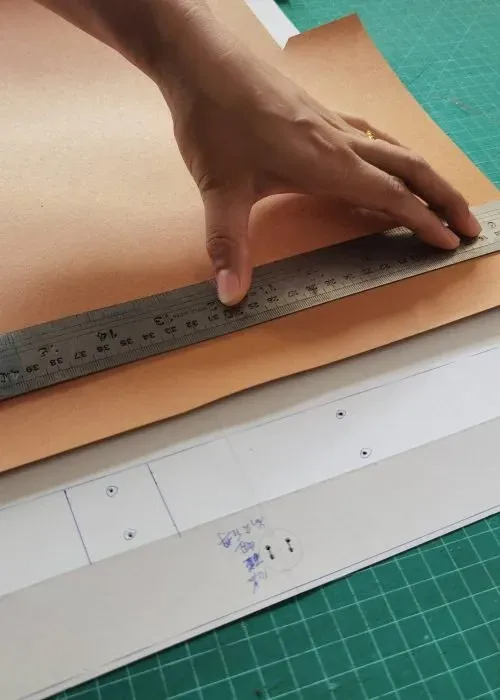
2. Cut and position the pattern
Mark and cut the body, base, and side panels. Washable paper is straightforward to cut and fold, and the design can include inner pockets, outer pockets, or reinforcement panels as needed.
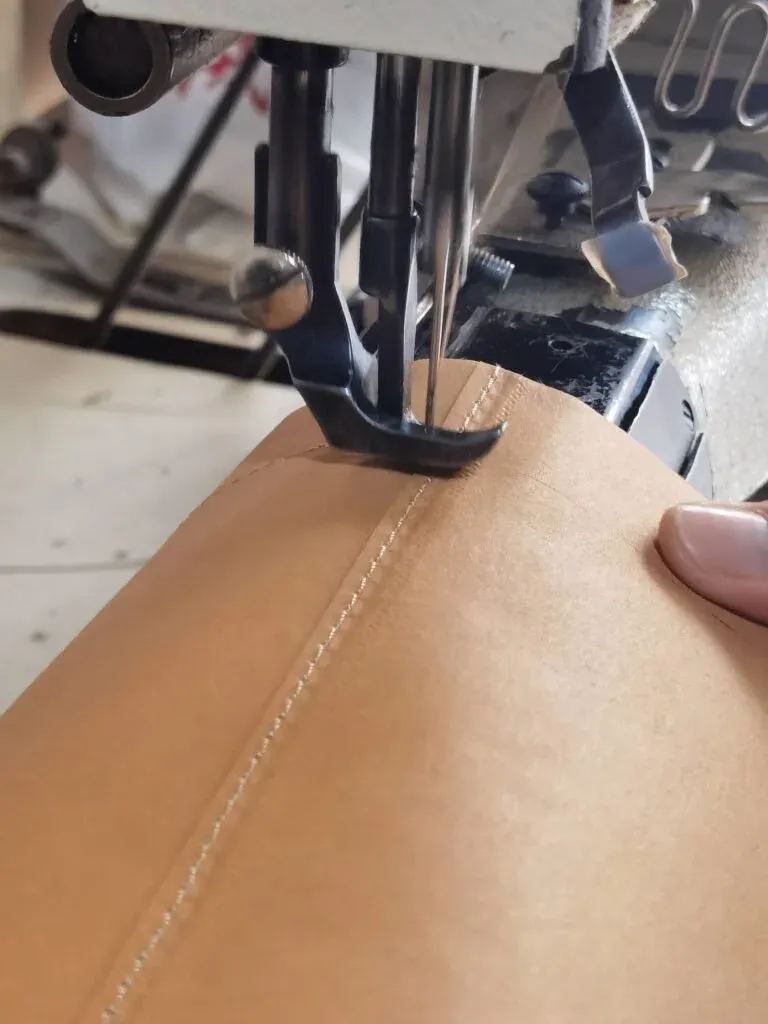
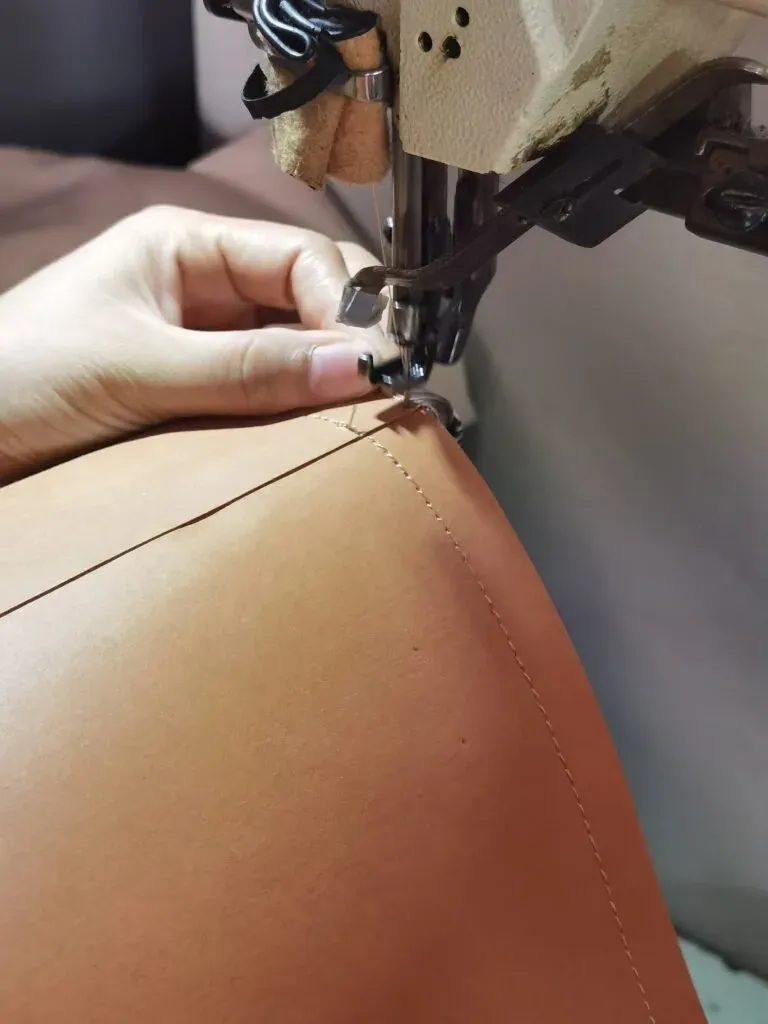
3. Sew and assemble the body
Sew the body to the base, connect the side panels, and finish the opening. Select an appropriate needle, thread, and stitch length for the material thickness, keeping seams even and reinforcing load-bearing points.
4. Add handles and details
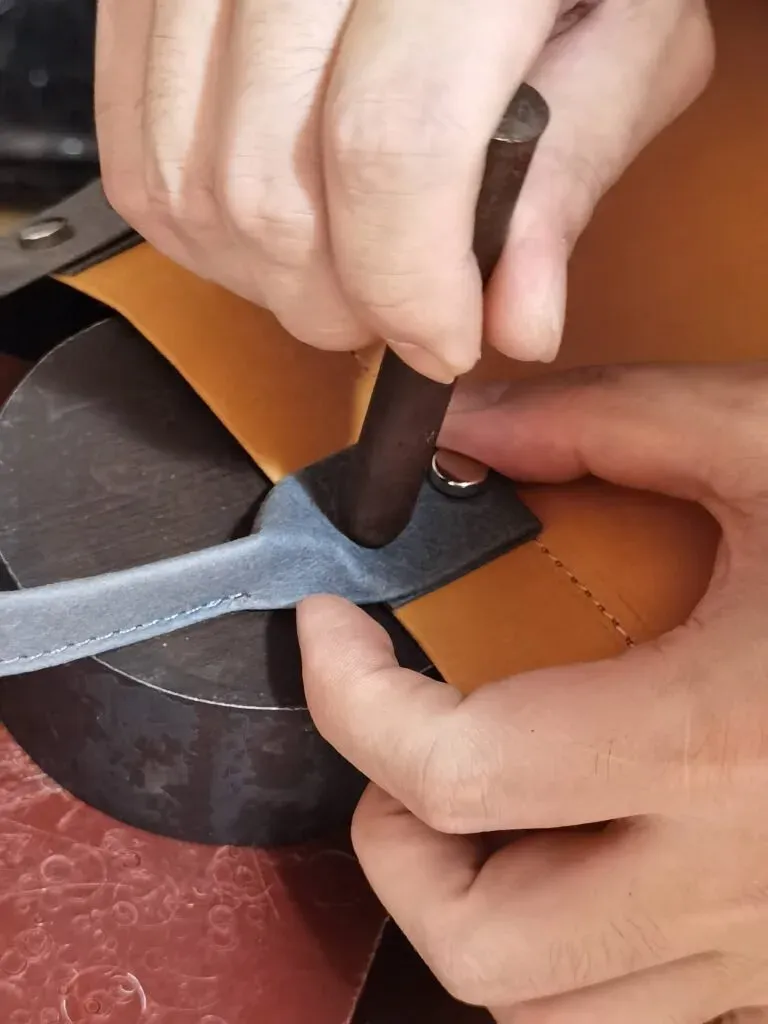
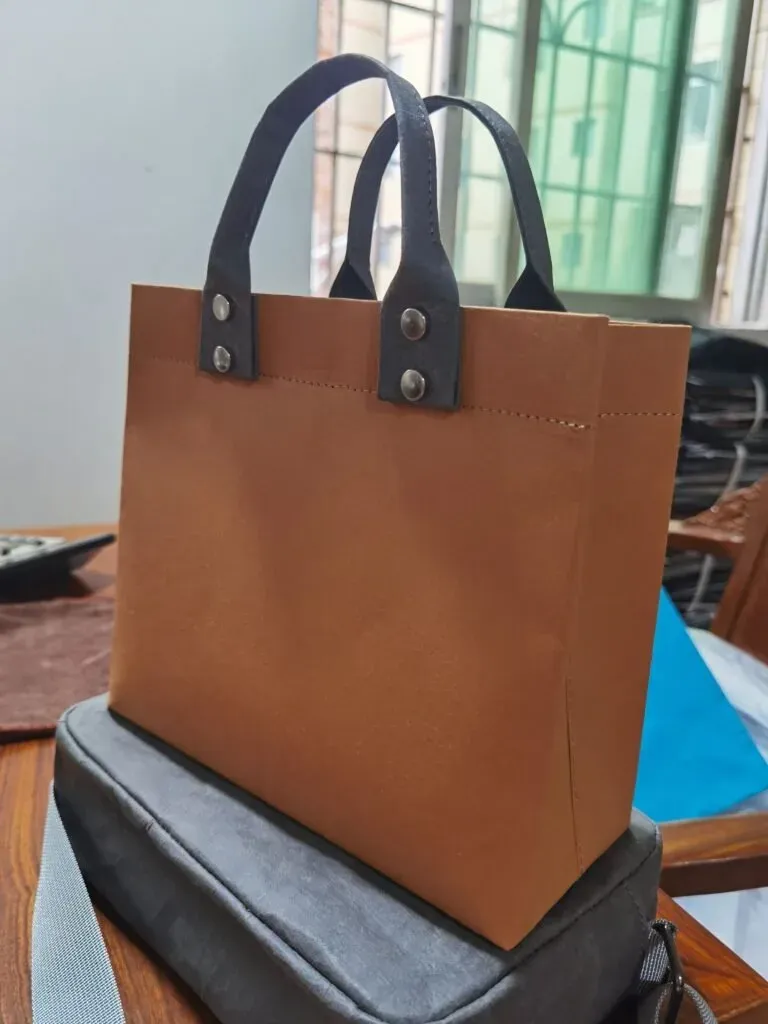
Handles can be attached with stitching, rivets, or a combination of both. Check that the positions are symmetrical and reinforce the connection points. Zippers, snaps, metal rings, or a lining can be added according to the product design.
5. Care for the finished product
For routine cleaning, hand wash gently with warm water. Avoid strong detergent, hard brushes, and prolonged direct sunlight. Air-dry in a shaded, ventilated place to help preserve the material’s appearance and service life.
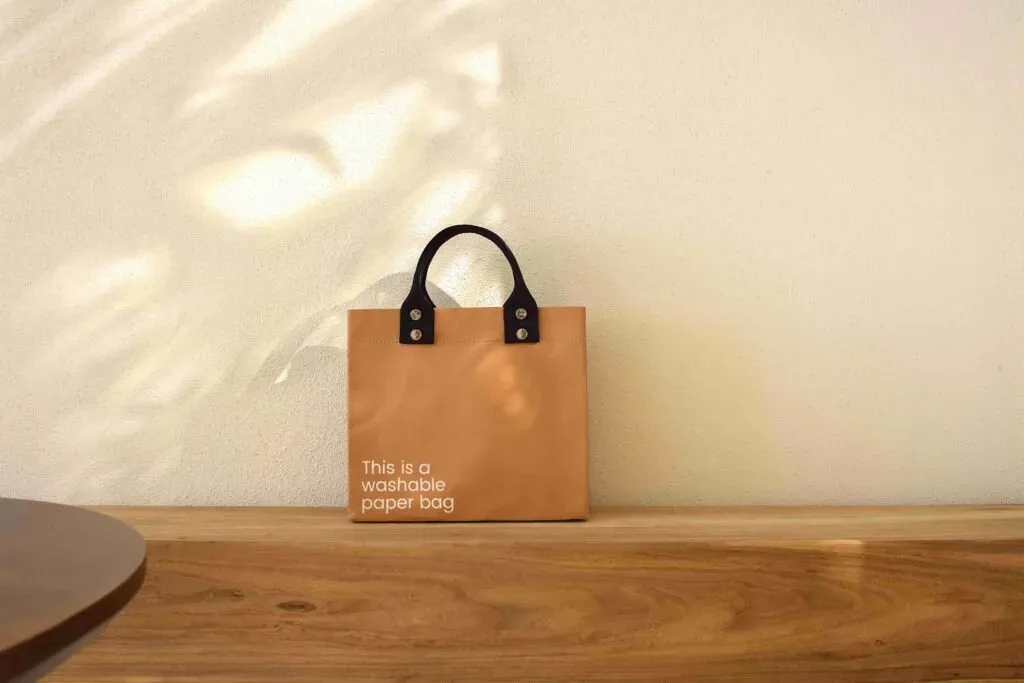
With a suitable pattern, sewing method, and connection details, washable paper can produce handbags that balance practicality, durability, and environmental responsibility.